



<img height="1" width="1" style="display:none" src="https://www.facebook.com/tr?id=438711809987663&amp;ev=PageView&amp;noscript=1">

The 2026 manager guide: Core capabilities for psychosocially safe teams

Managers remain the biggest multiplier of psychosocial safety - positively or negatively. Yet, most manager programs still teach outdated communication or performance models that ignore role clarity, boundary setting and trauma-informed practice.

In this two-part masterclass, Sam Young, clinical psychologist, co-Founder and Chief Health Officer of Humn, will reframe role of the manager as the primary on-the-ground control for psychosocial risk and shows what that means in real workplaces.

Are you a leader looking to build confidence in psychosocial safety? Register now for Part 1: 2026 executive briefing.

Psychosocial hazards in focus

Workplace safety is evolving, ans with it, so is the language we use around safety, wellbeing and accountability.

In a recent blog, the team at Humn highlights how the term “psychosocial hazards” is often misunderstood — and how this can unintentionally create confusion, fear, and mistrust. With everything being labelled as unsafe, real risks can get lost in the noise.


What you'll learn in this masterclass:

  • The five manager behaviours that most strongly influence psychosocial harm
  • Why ambiguity, not workload, is now the #1 driver of stress
  • How managers can unintentionally trigger hazards in the workplace (e.g., procedural injustice, poor support)
  • Evidence-based micro-skills every manager needs to lead safely and effectively
  • The four manager “risk profiles” and how to recognise them

Our speakers

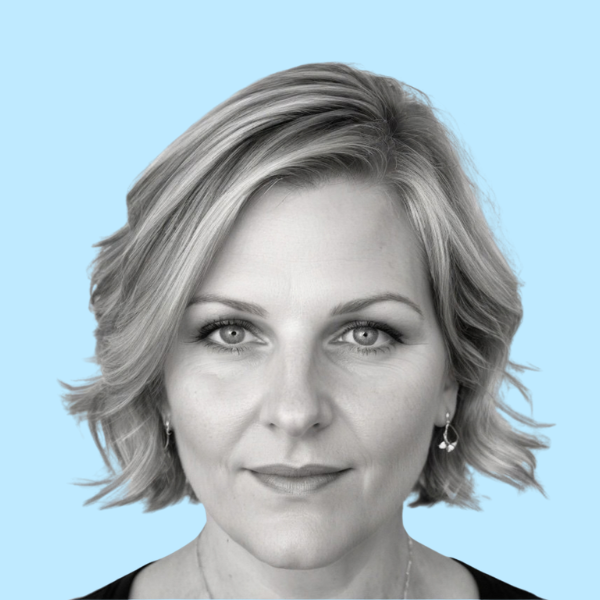
Sam Young
Sam Young
Clinical Psychologist, Co-Founder & Chief Health Officer, Humn
Report

The rising risk of 
workplace burnout

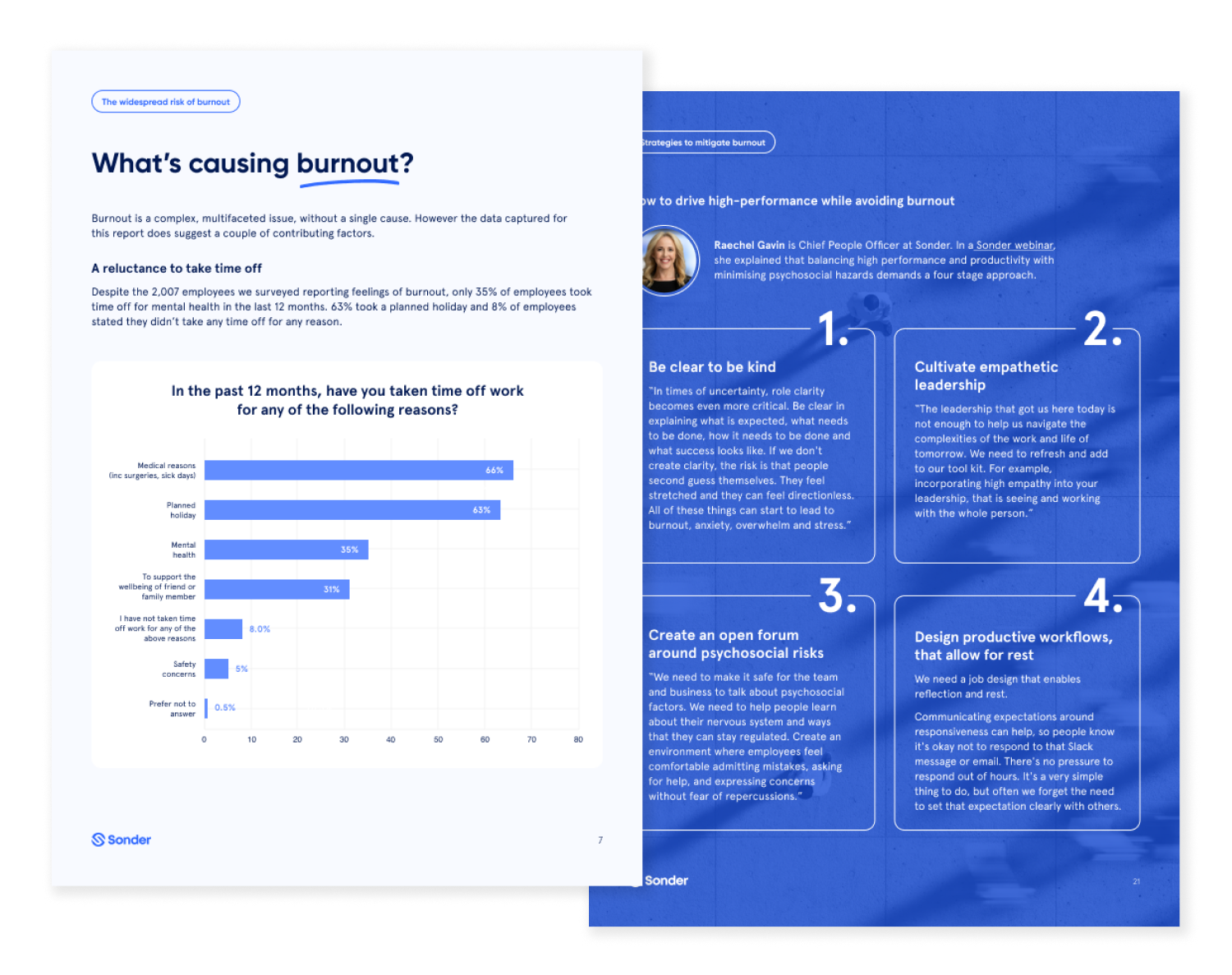
Our latest report, The rising risk of workplace burnout, shares insights from more than 2000+ employees and expert commentary on strategies to mitigate risk and support employees' wellbeing. What's inside:

The widespread risk of burnout
New statistics reveal that almost half of Australian and New Zealand employees are experiencing feelings of burnout and exhaustion

The impact of burnout on businesses
From reduced productivity and employee turnover to psychosocial risk, we analyse the potential risk for leaders and organisations

Strategies to mitigate burnout
Leaders in People and Culture and psychosocial risk share actionable, expert advice to avoid burnout in the workplace

How Sonder can help
We share the tools our customers are using to prevent burnout and stress in their organisation
Preview-2x2-Burnout-2

Take the guesswork out of psychosocial safety.

Join Part 1 of our 2026 Executive Briefing to understand what today’s leaders must know, from legal expectations to the practical levers that make a measurable difference.